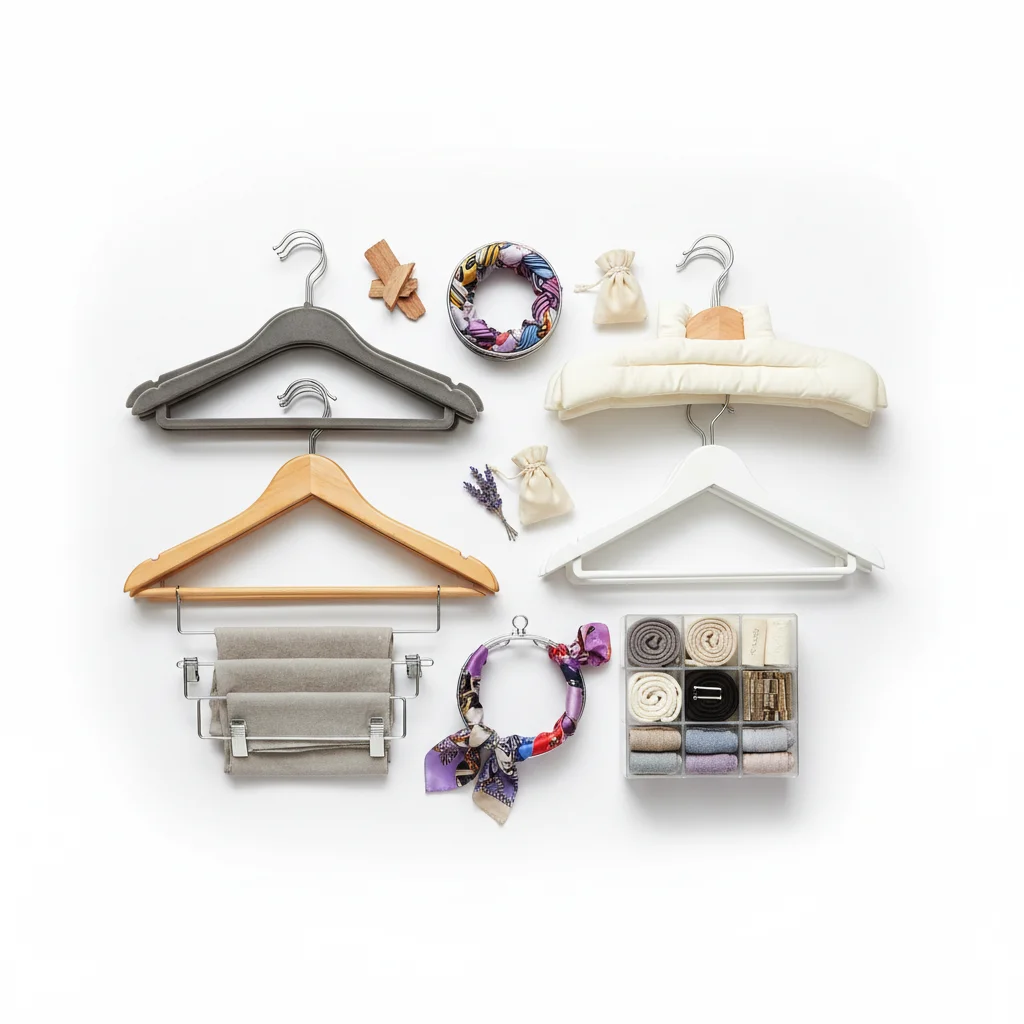
In the quest for a perfectly organized closet, the humble clothes hanger is often the unsung hero, yet its importance cannot be overstated. Far from being a mere accessory, the right hanger can protect your garments, preserve their shape, and maximize your storage space. Conversely, choosing the wrong type can lead to stretched shoulders, stubborn wrinkles, and a cluttered wardrobe. This comprehensive guide will equip you with all the knowledge you need to select the ideal clothes hangers for every item in your closet, transforming chaos into order and extending the life of your cherished garments.
Common Types of Clothes Hangers: A Detailed Overview
The world of clothes hangers is surprisingly diverse, with each material and design offering distinct advantages and disadvantages. Understanding these differences is the first step toward smart closet management. For see our home organization recommendations on this site.
Wooden Hangers
Often considered the gold standard, wooden hangers bring a touch of classic elegance and robust support to any closet. Crafted from materials like beech, cedar, or maple, they are exceptionally durable and excel at maintaining the natural shape of your garments, particularly suits, coats, and tailored jackets. Cedar hangers also offer the added benefit of natural pest repellent and moisture absorption. While they can be a more significant initial investment and take up more space due to their thickness, their longevity and protective qualities make them ideal for heavy outerwear, suits, and trousers, especially those with thick, curved shoulder flares and sturdy trouser bars designed to prevent creasing.
Velvet/Flocked Hangers
For those battling slippery silks or delicate knits, velvet or flocked hangers are a game-changer. Their soft, velvety surface provides excellent grip, ensuring that even the most easily dislodged items stay put. Designed with a slim profile, these hangers are also masters of space-saving, allowing you to fit more garments into a compact closet. They are gentle on fabrics, helping to prevent unsightly shoulder bumps and marks, making them perfect for blouses, dresses with thin straps, and sweaters. However, they are generally not suitable for very heavy items, as they can bend or break under excessive weight, and some dark-colored velvet options may occasionally transfer residue to lighter clothing.
Plastic Hangers
Plastic hangers represent an affordable and lightweight solution for everyday clothing. Modern plastic hangers, often made from sturdy, tubular designs, come in a variety of colors, allowing for a personalized and vibrant closet aesthetic. While the flimsy wire-frame plastic hangers of old are best avoided, thicker, well-constructed plastic options can be quite durable for casual wear. Recycled plastic versions are also an increasingly popular eco-conscious choice. These hangers are best suited for t-shirts, polo shirts, and casual blouses.
Wire Hangers
Typically the most economical option, wire hangers are recognized for their ultra-slim profile, which can be a boon for maximizing hanging space on a tight budget. However, their flexibility is a double-edged sword. While space-efficient, they are prone to deforming, leading to stretched-out necklines and peculiar shoulder bumps on garments. They are generally not recommended for anything beyond very light tops or blouses, and even then, their long-term use can compromise the integrity of your clothing.
Acrylic Hangers
Offering a contemporary and chic aesthetic, acrylic hangers are a stylish step up from basic plastic. Known for their durability and resistance to common closet woes like dust, oxidation, and rusting, they boast a longer lifespan than many other types. Their smooth, rounded design allows clothes to glide on and off easily, and many come with integrated notches or clips, making them versatile for a range of garments from wool coats to dresses and skirts. While often pricier, their blend of functionality, durability, and visual appeal can be a worthwhile investment.
Padded Hangers
When it comes to pampering your most delicate or special garments, padded hangers are the ideal choice. These hangers, typically covered in a soft fabric like satin, provide a gentle, rounded surface that prevents snags, creasing, and stretching. They are perfect for preserving the shape of exquisite evening wear, intricate knitwear, or cherished special occasion outfits. While they tend to be more expensive and bulkier, the superior protection they offer for fragile items is invaluable.
Metal Hangers (e.g., Aluminum)
Sleek and robust, modern metal hangers, particularly those made from aluminum, provide strong support with a relatively slim profile. They are highly durable and offer an industrial-chic aesthetic. Aluminum is also an infinitely recyclable material, making these an environmentally friendly choice. Best suited for jackets, suits, and heavier coats, some designs feature contoured shoulders to mimic garment shape, though they may lack the anti-slip properties needed for very delicate or silky fabrics.
Detailed Comparison: Which Hanger Reigns Supreme?
Choosing the best hanger depends on a balance of material, garment type, and personal preference. Here’s a comparative look to help you decide:
| Feature | Wooden Hangers | Velvet Hangers | Plastic Hangers | Wire Hangers | Acrylic Hangers | Padded Hangers |
|---|---|---|---|---|---|---|
| Durability | High (very sturdy, long-lasting) | Medium (can snap with heavy items) | Low to Medium (varies by quality) | Low (bends easily) | High (resistant to breakage, rust) | Medium (robust frame, but fabric can wear) |
| Price | Higher | Medium | Low | Lowest | Medium to High | Higher |
| Aesthetic | Classic, premium, natural | Modern, sleek, uniform | Functional, varied colors | Basic, utilitarian | Chic, contemporary, clean | Luxurious, soft, decorative |
| Anti-Slip | Moderate (smooth surface, some have notches) | Excellent (flocked surface prevents slips) | Low (smooth, clothes can slide) | Low (smooth, clothes can slide) | Low to Moderate (can have non-slip features) | Good (soft surface, gentle grip) |
| Space-Saving | Low (bulky) | High (slim profile) | Medium (slim if tubular, bulky if cheap) | High (very thin) | Medium (thicker than velvet, slimmer than wood) | Low (bulky) |
| Best For | Suits, coats, jackets, heavy items | Delicate fabrics, strappy tops, sweaters | T-shirts, casual shirts, everyday items | Light tops, blouses (budget use) | Wool coats, sweaters, dresses, skirts | Evening wear, delicate knits, special items |
Smart & Space-Saving Clothes Hangers: Maximize Your Closet
For many, closet space is a precious commodity. Innovative hanger designs offer ingenious solutions to optimize every inch, transforming cramped wardrobes into functional, organized havens.
One of the most effective space-saving inventions is the multi-pant hanger. These clever devices can typically hold five or more pairs of trousers, either vertically or horizontally, on a single hook. By consolidating multiple garments onto one hanger, they drastically reduce the amount of rod space consumed, making them a godsend for denim collectors or those with limited hanging room. Many feature swivel tops for easy access and sturdy construction to handle the combined weight of several garments without sagging.
Beyond specialized pant hangers, slim-profile hangers are fundamental for maximizing space. Velvet or flocked hangers, with their ultra-thin design, are excellent examples, allowing you to hang a higher volume of clothing in the same footprint compared to bulkier wooden or traditional plastic hangers. Similarly, some modern metal hangers are engineered to be thin yet strong, offering a space-efficient and durable alternative.
Cascading hangers, which allow you to connect multiple hangers vertically, create a layered hanging system that effectively triples or quadruples your storage capacity on a single hook. While they might make individual garment retrieval slightly less immediate, the sheer volume of clothing they can accommodate makes them a valuable tool for seasonal storage or for maximizing space in a guest closet. Investing in these smart solutions can dramatically increase your closet’s capacity and improve its overall organization, helping you see and access your entire wardrobe with ease.
Clothes Hangers for Children: Safe, Practical, and Fun
When organizing a child’s wardrobe, the right clothes hangers are essential not only for tidiness but also for preserving tiny garments and ensuring safety. Children’s clothes require specially sized hangers to prevent stretching, slipping, or loss of shape. For newborns and toddlers up to three years old, 10-inch hangers are ideal, perfectly accommodating their petite outfits. As children grow, their clothes will require larger sizes; 12-inch hangers are suitable for ages three to eight, while 14-inch hangers fit children from nine to early teens.
Beyond size, material safety is paramount. Opt for hangers made from non-toxic plastic, natural, FSC-certified wood, or innovative materials like wheat straw plastic or rattan with non-toxic, water-based finishes. These options ensure that no harmful chemicals come into contact with your child’s clothing or skin. Many children’s hangers feature ergonomic shapes designed to prevent shoulder dimples and small garment hooks for delicate items. Choosing hangers with appealing designs or cheerful colors can also make organizing fun, encouraging little ones to take part in tidying their own space.
Your Essential Buying Guide: Choosing the Perfect Clothes Hanger
Selecting the right clothes hanger is a thoughtful process that balances practical needs with personal style. Consider these key factors to make informed choices for your wardrobe:
- Type of Clothes: The most critical consideration. Heavy coats and suits demand sturdy, contoured wooden or metal hangers to maintain their structure. Delicate blouses and dresses with thin straps fare best on non-slip velvet or padded hangers. Pants often benefit from multi-garment hangers or those with felted trouser bars, while skirts need rubber-coated clips to prevent marking.
- Hanger Material: Each material offers distinct benefits. Wood provides strength and elegance, velvet offers superior grip and space-saving, and acrylic combines durability with modern aesthetics. Evaluate durability, anti-slip properties, aesthetic appeal, and environmental impact.
- Size and Shape: A hanger should perfectly match the shoulder width of your garment. Too wide, and it will create unsightly bumps; too narrow, and clothes will slip or distort. Children’s clothing, in particular, requires specific smaller sizes to maintain shape. Contoured hangers are excellent for structured garments, while flat hangers are great for maximizing space with items that don’t need significant shoulder support.
- Closet Space: For smaller closets, prioritize slim-profile options like velvet or thin metal hangers. Space-saving designs such as multi-pant hangers or cascading systems can dramatically increase your hanging capacity without requiring a larger closet.
- Budget: Hangers vary widely in price. Wire and basic plastic are the most economical, while high-quality wood, acrylic, and padded hangers represent a greater investment. Determine your budget but remember that investing in better hangers can save money in the long run by protecting your clothes.
- Special Features: Look for thoughtful additions like notches for straps, rubber-coated clips for skirts and pants (to prevent fabric marks), or felted trouser bars for suits (to prevent creasing). Swivel hooks can also add convenience.
Ultimately, prioritize durability and a smooth surface to avoid damaging your clothes. Opt for uniform hangers to create a cohesive and visually appealing closet, making it easier to see and access your entire wardrobe.
Top Eco-Friendly Clothes Hangers: Sustainable Style for Your Wardrobe
The fashion industry, including its often-overlooked component of clothes hangers, contributes significantly to plastic waste, with billions of single-use hangers ending up in landfills annually. Fortunately, a growing array of eco-friendly alternatives allows you to organize your wardrobe sustainably.
Recycled Plastic Hangers are a popular choice, often made from 90% or more reclaimed materials, some even sourced from ocean plastic collected during beach clean-ups. These hangers reduce reliance on virgin plastic production, offering durability similar to traditional plastic hangers while minimizing environmental impact.
For those who prefer natural materials, FSC-Certified Wooden Hangers are an excellent option. Sourced from responsibly managed forests, often using fast-growing woods like eucalyptus or rubberwood, these hangers are natural, biodegradable, and contribute to sustainable forestry practices.
Paper Fibreboard or Cardboard Hangers provide a lightweight and fully recyclable solution. Made from reclaimed paper waste, they are biodegradable and ideal for short-term use or for brands committed to a zero-waste ethos. However, it’s essential to keep them away from moisture to maintain their integrity.
Innovative materials like Bio-based Hangers, often made from Polylactic Acid (PLA) derived from corn starch or sugarcane, offer a 100% biodegradable and CO2-neutral lifecycle. Similarly, Wheat Straw Plastic Hangers, a blend of agricultural waste and non-toxic polypropylene, provide a durable and eco-conscious choice that is often BPA-free and food-safe. Lastly, Rattan Hangers, handcrafted from sustainably sourced natural fibers with non-toxic finishes, offer a beautiful and environmentally responsible option, particularly for children’s clothing.
Choosing these sustainable hangers is a simple yet impactful way to reduce your ecological footprint and align your home organization with your commitment to a greener lifestyle.
Conclusion
From the classic elegance of wood to the innovative grip of velvet and the eco-conscious appeal of recycled materials, the world of clothes hangers offers a solution for every garment and every closet. Investing in the right hangers is more than just an organizational hack; it’s a commitment to preserving your clothing, optimizing your space, and even contributing to a more sustainable planet. By understanding the unique properties of each type and matching them thoughtfully to your wardrobe’s needs, you can transform your daily routine and enjoy a perfectly tidy closet where every item is protected and easily accessible.
Ready to elevate your closet organization? What’s your secret to a perfectly organized wardrobe?
Get our weekly buyer guide
Practical specs, not advice. Unsubscribe anytime.

I finally switched all my heavy coats and suits to wooden hangers after reading about them here, and what a difference! My blazers used to have those weird shoulder bumps from wire hangers, but now they hang perfectly. It really does make my closet look so much more put-together and organized. Definitely worth the investment for preserving nicer clothes.
I’ve been struggling with my kids’ clothes always falling off their hangers, especially their little jackets. The tip about using flocked hangers for children’s clothing was a game-changer! No more piles on the floor of their closet. It’s such a small change but has made a huge difference in keeping their room tidy.
I tried the velvet hangers for my silk blouses and they do prevent slipping, which is great. However, I found that some of my heavier sweaters still left a slight indent on the velvet itself after a while, which was a bit disappointing. They’re good for lighter items, but maybe not for everything as suggested.
This guide was super helpful in convincing me to get rid of all my mismatched plastic hangers. I ended up buying a bulk pack of slimline plastic hangers for most of my everyday shirts and dresses, and they’ve freed up so much space! My closet feels way less cluttered now, and it’s easier to see everything. Wish I’d done this sooner.