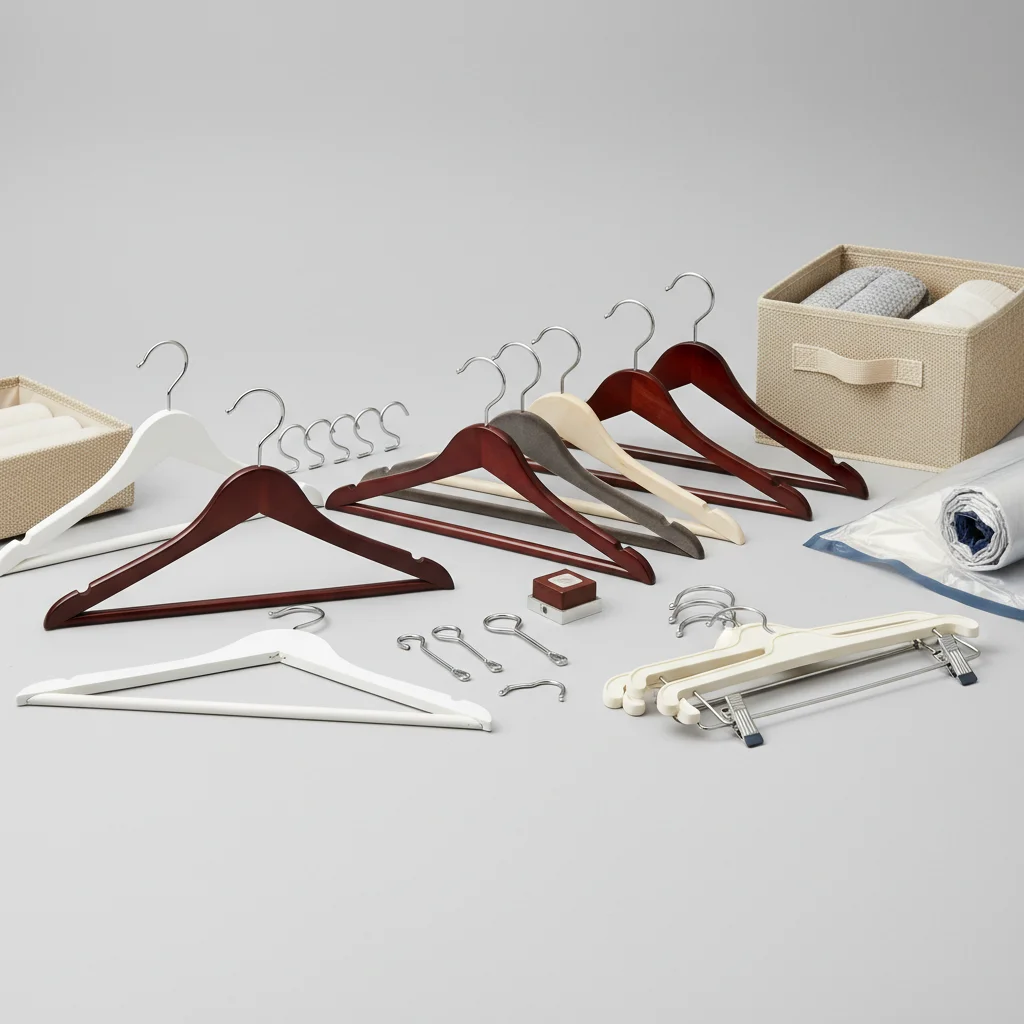
Have you ever wondered if your clothes could look better, last longer, and fit more neatly in your closet? The answer often lies not in your garments themselves, but in the humble clothes hanger you choose. Many people underestimate the power of a good hanger, often opting for the cheapest or most readily available options. However, poor-quality hangers can lead to wrinkled garments, stretched shoulders, and a perpetually cluttered wardrobe, ultimately shortening the lifespan of your favorite items. Investing in the right clothes on a hanger solution is a simple yet effective way to transform your closet into an organized, functional, and aesthetically pleasing space, ensuring your apparel remains in pristine condition. This comprehensive guide will delve into the various types of clothes hangers, their unique benefits, and how to select the perfect ones for an impeccably organized and well-preserved wardrobe.
Popular Types of Clothes Hangers
The world of clothes hangers extends far beyond the basic plastic or wire options. Each type is designed with specific materials and features to cater to different garment needs, ensuring optimal care and organization. For shop curated home organization on this site.
Wooden Hangers
Wooden hangers are often considered the gold standard for garment care. Crafted from durable materials like lotus wood or cedar, they offer superior strength and a smooth finish that prevents snags. Their substantial build, particularly those with wide shoulders, is ideal for maintaining the natural shape of suits, coats, and heavy jackets, preventing unsightly bumps or creases. Cedar hangers, a specialized type of wooden hanger, also provide natural deodorizing properties and act as a deterrent against pests and mildew, making them excellent for pampering your wardrobe. While they can be bulkier and more expensive, their longevity and garment preservation benefits offer excellent value.
Plastic Hangers
Ubiquitous and inexpensive, plastic hangers are a common sight in many closets. They are lightweight and come in a vast array of designs and colors. However, their affordability often comes with drawbacks. Many plastic hangers are flimsy, prone to breaking, and fail to provide adequate support, which can lead to garments losing their shape or slipping off easily. Their varied colors and styles can also contribute to a disorganized, mismatched closet aesthetic. While some heavy-gauge plastic hangers offer improved durability, they are generally not ideal for long-term storage of valuable or heavy clothing.
Metal Hangers (Wire & Chrome)
Wire hangers, commonly received from dry cleaners, are the most economical option. While slim and space-saving, their pliability causes them to bend easily, leading to distorted garment shapes and annoying creases. They are also prone to rusting, which can permanently stain clothes. For long-term storage, wire hangers are largely unsuitable. Chrome hangers, made from stronger steel wire, offer a more chic aesthetic and better durability than standard wire, but their slick surface can still cause clothes to slip.
Velvet/Flocked Hangers
Velvet, or flocked, hangers are a popular choice for their non-slip capabilities and slim profile. The soft, velvety surface firmly grips delicate and slippery fabrics such as silk, satin, and rayon, preventing them from sliding off onto the closet floor. Their ultra-thin design also makes them excellent space-savers, allowing you to maximize storage in smaller closets. While generally effective, ensure they have a sturdy core to support garments without snapping, and be mindful that some new velvet hangers might shed a little lint initially.
Padded Hangers
Padded hangers are specifically designed for delicate garments, special occasion dresses, and knitwear. The soft padding prevents creases, stretching, and shoulder bumps, providing a gentle embrace for fragile fabrics. While they are bulkier and typically more expensive, they are indispensable for preserving the integrity of cherished items that might otherwise be damaged by standard hangers.
Specialty/Accessory Hangers
Beyond the main categories, a host of specialty hangers exist to address specific storage challenges. These include:
- Trouser Clamp Hangers: Designed to gently secure pants or skirts at the hem, preventing creases and maintaining their pressed look.
- Skirt Hangers with Clips: Feature adjustable, rubber-coated clips that hold skirts without pinching or marking the fabric.
- Multi-Tier Hangers: Such as swing-arm pant hangers or blouse/shirt trees, designed to hold multiple garments vertically, saving considerable closet rod space.
- Grippy Hangers with Trouser Bar: Combine non-slip foam with a strong bar to hold both slippery tops and pants securely.
- Acrylic Hangers: Offer a sleek, crystal-clear look with durable construction for a luxurious closet aesthetic.
Detailed Comparison of Hanger Types
Choosing the right hanger often involves weighing various factors. This table provides a quick overview of how common hanger types stack up.
| Feature | Wood Hangers | Plastic Hangers | Metal (Wire) Hangers | Velvet Hangers | Padded Hangers |
|---|---|---|---|---|---|
| Material | Wood (Lotus, Cedar, Beechwood) | Plastic | Steel wire | Flocked plastic/metal | Fabric over soft core |
| Durability | High, long-lasting | Low, flimsy | Low, bends easily, rusts | Medium (depends on core strength) | Medium |
| Price | High | Low | Very low | Medium | High |
| Aesthetics | High, classic, uniform | Low, often mismatched | Low, basic, can look cluttered | High, sleek, uniform | High, elegant |
| Non-slip Capability | Medium (smooth finish but good garment fit) | Low | Very Low | High | Medium |
| Garment Suitability | Suits, coats, heavy garments, shirts, dresses | Everyday light clothing, kids | Not recommended for long-term | Delicate, slippery fabrics, sweaters | Delicate, special occasion dresses |
| Space-saving | Low (bulky) | Medium | High (thin, but detrimental to clothes) | High (slim profile) | Low (bulky) |
| Maintains Shape | Excellent (wide shoulders, sturdy) | Poor | Very Poor | Good (prevents stretching) | Excellent (no bumps/creases) |
| Eco-friendliness | Good (biodegradable, renewable) | Poor (disposable, non-recyclable often) | Poor (rusts, disposal issues) | Moderate | Moderate |
Smart Clothes Hangers: Space-Saving Solutions
In today’s homes, optimizing closet space is a common goal. Smart clothes hangers offer innovative designs that help you maximize every inch of your wardrobe. These intelligent solutions go beyond basic hanging, allowing you to store more garments efficiently without sacrificing their condition.
Multi-tier hangers, for instance, let you hang multiple items like skirts, pants, or even blouses on a single hanger, utilizing vertical space that would otherwise go unused. Cascading hanger hooks allow you to link several hangers together in a vertical chain, creating a waterfall effect for a series of coordinating tops or outfits. Swing-arm pant and skirt hangers simplify access to individual garments while keeping them neatly stacked. The advantages of these smart hangers are clear: they significantly reduce clutter, make it easier to see and access your clothes, and can help keep entire outfits organized together. When using them, ensure you distribute the weight evenly to prevent stress on the hanger or your closet rod, and avoid overfilling to maintain the integrity of your garments.
Kids’ Clothes Hangers: Safe and Convenient Choices
Children’s wardrobes require a special touch, and their clothes deserve hangers designed specifically for their smaller scale. Using adult-sized hangers for children’s clothing can lead to stretched necklines and misshapen shoulders, prematurely aging their garments. The key is to choose hangers that are both safe and appropriately sized.
Look for hangers made from non-toxic materials, such as BPA-free plastic or smooth, natural wood, to ensure they are harmless to your child. Kids’ hangers typically range from 12 to 15 inches in width, perfectly accommodating tiny shirts, dresses, and trousers without stretching them out. Many children’s hangers also feature playful colors or cute designs, making wardrobe organization a more enjoyable task for little ones. Features like notches for straps or small clips for skirts can add extra convenience, helping to keep their clothes securely in place.
Choosing the Right Clothes Hanger (Buying Guide)
Selecting the best clothes hanger for your needs is a thoughtful process that can significantly impact your wardrobe’s longevity and organization. Consider these essential factors to make an informed decision.
Factors to Consider:
- Type of Garment: The most crucial consideration is what you intend to hang. Heavy coats and suits demand sturdy, wide-shouldered wooden hangers. Delicate silk blouses or slip dresses benefit from non-slip velvet or soft padded hangers. Pants need reliable trouser bars or clamp hangers.
- Hanger Material: Different materials offer distinct advantages. Wood provides unparalleled support and durability, plastic offers versatility, velvet prevents slipping, and padded options protect delicate fabrics.
- Hanger Size: The hanger’s width should ideally match the shoulder width of your garment. A hanger that is too wide can create unsightly bumps, while one that is too narrow won’t provide adequate support, causing clothes to sag and lose their form.
- Closet Space: If you have limited closet space, slim-profile hangers like velvet or slim wooden designs are excellent for maximizing storage density. Multi-tier or cascading hangers can also help utilize vertical space.
- Budget: While cheap hangers might seem appealing initially, remember that they can cost you more in the long run by damaging your clothes. Invest in quality hangers, especially for your more valuable garments, to prolong their life.
- Aesthetics: For a cohesive and visually appealing closet, opt for uniform hangers. Matching materials and colors can elevate the entire look of your wardrobe space. As a representative from Organized Interiors aptly notes, “Premium hardwood clothes hangers add a distinct touch of class to your closet space.”
Expert Advice:
Always prioritize quality to ensure your garments are well-supported and protected. Hangers with smooth finishes, whether wood or plastic, prevent snags and tears. Look for features like notches for straps, rubberized elements for grip, or thick trouser bars to prevent creasing. Matching the hanger’s shape to the garment’s design is key for optimal preservation.
Top Clothes Hangers Popular Today
While specific brands or product names are beyond the scope of this guide, the characteristics that define today’s most popular clothes hangers are clear: they combine functionality with thoughtful design and durability. Consumers are increasingly seeking hangers that do more than just hold clothes; they want solutions that preserve garment integrity, optimize space, and enhance closet aesthetics.
Highly sought-after options include high-quality wooden hangers with ergonomic, wide shoulders, specifically designed to support the structure of suits, blazers, and heavy coats without creating stress points. These are valued for their robustness and classic appeal. Premium velvet hangers continue to dominate for delicate and slippery fabrics, praised for their ultra-thin profile that maximizes closet capacity and their non-slip surface. The market also sees strong demand for durable, multi-functional hangers, such as those with integrated clips for skirts, sturdy trouser bars, or cascading designs that facilitate outfit planning and space-saving. There is a growing appreciation for eco-friendly hanger solutions, including those made from renewable wood or recycled plastics, appealing to conscious consumers. Ultimately, the best-selling hangers are those that consistently deliver on garment protection, smart organization, and a uniform, elevated look for any wardrobe.
“Luxury wooden hangers aren’t just for a nice suit and jacket. They level up your clothing care.” – Butler Luxury
Conclusion
Choosing the right clothes on a hanger is a crucial step in maintaining a functional, organized, and aesthetically pleasing wardrobe. From the robust support of wooden hangers for structured garments to the delicate grip of velvet hangers for slippery fabrics, and the space-saving ingenuity of smart designs, each type plays a vital role in garment preservation. Investing in appropriate hangers for your various clothing types not only extends the life of your garments by preventing wrinkles, stretching, and damage, but it also saves you time and effort in daily dressing and long-term storage. As Organized Interiors highlights, “It actually does matter what type of clothes hangers you use.” By understanding the unique benefits of each hanger type and selecting wisely, you transform a simple storage tool into a powerful asset for wardrobe management.
Which hanger type will you upgrade first to transform your wardrobe?
Frequently Asked Questions
Why can’t I use wire hangers for all my clothes?
Wire hangers are generally not recommended for long-term storage because they bend easily, causing garments to lose their shape, wrinkle, and sometimes even get damaged by rust. They lack the proper support needed to preserve the integrity of most clothing items.
How do velvet hangers help with slippery clothes?
Velvet hangers feature a flocked, non-slip surface that creates friction, effectively gripping delicate fabrics like silk, satin, and rayon. This prevents these materials from sliding off and ending up on the closet floor, while their slim profile helps maximize closet space.
Are wooden hangers truly worth the investment?
Yes, high-quality wooden hangers, especially those with wide shoulders, are an excellent investment. They provide superior support, maintain garment shape, prevent wrinkles, and are highly durable, significantly extending the life of your more valuable clothing items like suits and coats.
What’s the best way to hang pants to avoid creases?
For dress pants, the best method is to use hangers with a thick, smooth trouser bar to fold them over, or dedicated clamp hangers that gently secure the fabric at the hem without leaving marks. Folding them over thin wire or plastic bars often leads to unsightly creases.
How do I know what size hanger to choose?
The hanger’s width should approximately match the shoulder width of your garment. If a hanger is too wide, it can create bumps in the shoulders, while one that is too narrow will not provide adequate support, causing the clothing to sag and stretch.
Can I use cedar hangers for all my clothes?
Cedar hangers are excellent for shirts, knitwear, and natural fiber garments as they offer natural protection against pests, mildew, and odors. However, for structured items like suits and coats, wide-shouldered wooden hangers are often preferred for their superior shape-retention capabilities.
What are the benefits of using specialty hangers for skirts and pants?
Specialty hangers, such as skirt hangers with adjustable clips and multi-tier pant hangers, offer significant benefits. They prevent skirts from slipping and creasing, while multi-tier options save considerable closet space by allowing you to hang several pairs of pants or skirts vertically, keeping them organized and wrinkle-free.
Get our weekly buyer guide
Practical specs, not advice. Unsubscribe anytime.
