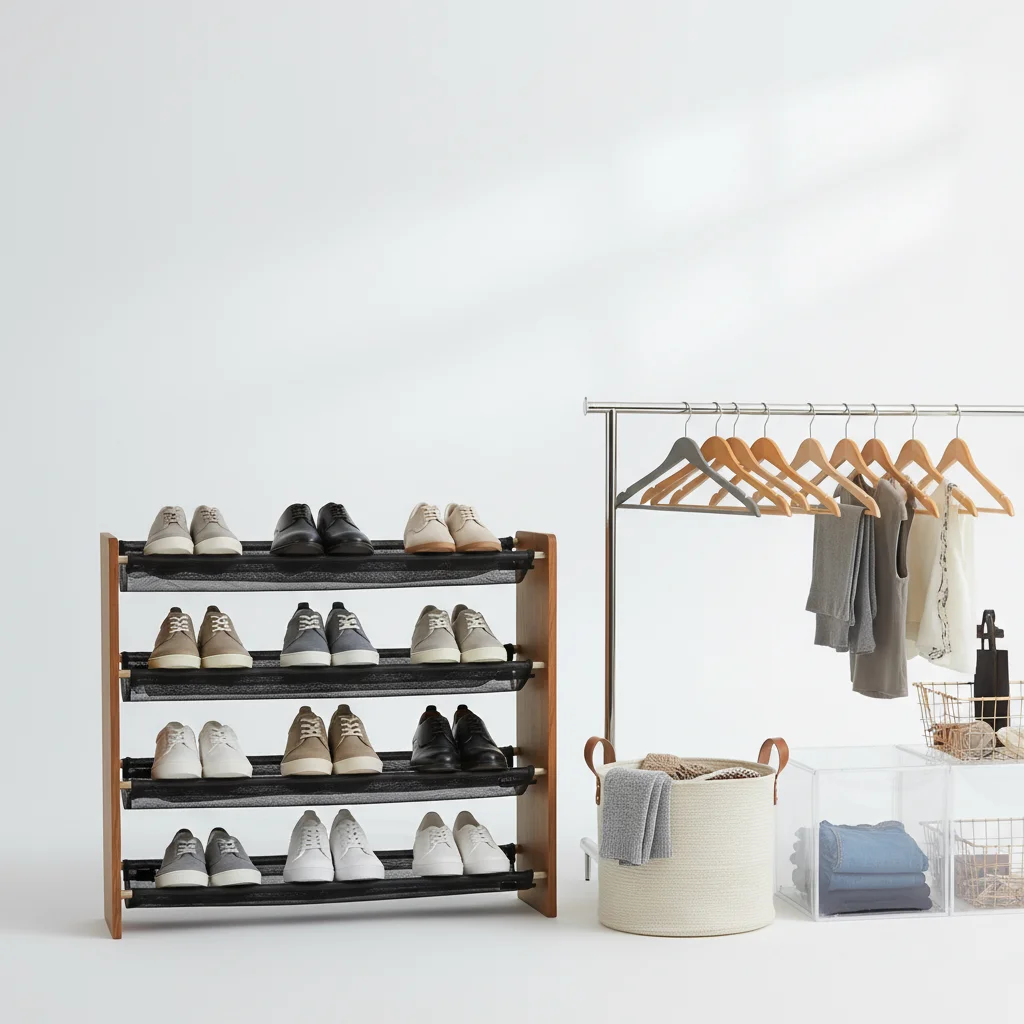
In the quest for a perfectly organized home, the battle against clutter often begins and ends with our wardrobes and entryways. Whether you’re a fashion enthusiast with an expanding collection or simply seeking order in a compact living space, effective storage solutions for clothes and shoes are not just a luxury—they are a necessity. This comprehensive guide will navigate you through the world of clothes hangers and shoe racks, offering insights to help you choose the best options to keep your garments pristine and your footwear neatly arranged, transforming your daily routine into a seamless experience.
Understanding Clothes Hangers: The Foundation of Garment Care
Clothes hangers are more than just simple hooks; they are essential tools for maintaining the shape, quality, and accessibility of your wardrobe. The right hanger can prevent wrinkles, extend the life of your garments, and maximize closet space. For home organization buying guides on this site.
Common Types of Clothes Hangers
Hangers come in a variety of materials and designs, each offering distinct advantages for different types of clothing:
- Wood Hangers: Often considered the gold standard, wooden hangers offer exceptional durability and a classic aesthetic. They are particularly beneficial for tailored suits, jackets, and heavier garments, as their broad shoulders help maintain the natural shape of the clothing and prevent unsightly bumps. While they tend to be bulkier and come at a higher price point, their longevity and protective qualities make them a worthwhile investment for valuable items.
- Plastic Hangers: These are the most ubiquitous and cost-effective option, widely available in various shapes, sizes, and colors. Ideal for lightweight items like T-shirts, casual blouses, and jeans, plastic hangers can add a pop of color to your closet. However, quality can vary significantly; cheaper versions may be flimsy, prone to breaking, or have rough seams that can snag delicate fabrics.
- Metal Hangers: Known for their strength and slim profile, metal hangers, especially those made from heavy-gauge steel, are excellent for holding heavy coats and jackets without bending. They lend a modern, minimalist aesthetic to any closet. Some metal hangers feature rubberized coatings to offer non-slip properties, though uncaring for quality can lead to rust over time.
- Velvet Hangers: A popular choice for their non-slip texture and ultra-thin design, velvet hangers are perfect for delicate fabrics like silk, satin, and strappy tops that tend to slide off other materials. Their slim profile also makes them incredible space-savers, allowing you to fit more garments into your closet. While generally durable, they can sometimes shed fibers when new or struggle with extremely heavy items.
- Padded/Satin Hangers: Designed specifically for the most delicate items such as lingerie, evening wear, and intricately detailed garments, padded or satin-covered hangers prevent creasing and shoulder dents. The soft cushioning protects fragile fabrics from potential damage, though they are not suitable for heavy items that might compress the padding or break the hanger.
Choosing the Right Hanger for Every Garment
Selecting the appropriate hanger for each piece of clothing is crucial for optimal garment care and organization:
- Suits and Jackets: Opt for sturdy wooden hangers with broad, contoured shoulders to preserve the garment’s structure. Many suit hangers also include a trouser bar.
- Shirts and Blouses: Wooden or good-quality plastic hangers with a gentle curve are suitable. Look for notches on the shoulders to prevent strappy tops from slipping.
- Pants and Skirts: Hangers with clips are ideal for skirts and trousers, holding them securely without creasing. Alternatively, wooden hangers with a rounded, non-slip trouser bar are excellent for hanging pants folded over.
- Delicates and Silks: Velvet or padded/satin hangers are best to prevent slippage, stretching, and damage to fragile materials.
- Heavy Coats: Strong metal or robust wooden hangers are necessary to support the weight without bending or warping.
Hanger Sizes for Every Wardrobe
Hangers are not one-size-fits-all. Using the correct size prevents stretching or misshaping garments:
- Baby Hangers: Typically under 11 inches wide, perfectly sized for infant clothing.
- Kids’ Hangers: Ranging from 12 to 14 inches wide, designed for children’s clothes to prevent stretching.
- Petite Hangers: Around 15 to 16 inches wide, ideal for smaller adult sizes, delicates, and lingerie.
- Standard Hangers: The most common size, generally 17 to 18 inches wide, suitable for most adult clothing.
- Oversized Hangers: 19 inches or wider, best for large coats, jackets, or broad-shouldered garments to provide adequate support.
Mastering Shoe Racks: Organized Footwear, Tidy Floors
A cluttered entryway or closet floor filled with shoes can be a daily frustration. Shoe racks offer a dedicated, organized home for your footwear, protecting your shoes and tidying your space.
Popular Types of Shoe Racks
Just like hangers, shoe racks come in a variety of designs to suit different needs and spaces:
- Tiered Racks (Open Shelving): These freestanding units feature multiple levels of shelves, providing easy access and good airflow for your shoes. They are excellent for everyday footwear, allowing you to quickly spot and grab the pair you need. However, they leave shoes exposed to dust and can look cluttered if not maintained.
- Shoe Cabinets: For a more discreet and aesthetically pleasing solution, shoe cabinets enclose your footwear behind doors. They protect shoes from dust and keep them out of sight, contributing to a cleaner, more streamlined look, especially in entryways or living areas. They can be narrow, making them suitable for small hallways, often storing shoes diagonally to maximize capacity.
- Over-the-Door Organizers: A genius space-saving solution, these organizers hang on the back of a closet or bedroom door, utilizing vertical space that would otherwise be wasted. They typically feature multiple fabric or clear plastic pockets or hooks, ideal for lighter shoes like sandals, flats, or sneakers.
- Under-Bed Storage: Perfect for seasonal or less frequently worn shoes, under-bed storage containers keep footwear out of sight and protected from dust. These low-profile bins often come with lids and wheels for easy access and can significantly free up closet space.
- Shoe Benches: Combining seating with storage, shoe benches are a highly functional addition to an entryway or mudroom. They provide a convenient spot to sit while putting on or taking off shoes, with shelves or cubbies underneath to store footwear.
- Modular/Stackable Racks: These versatile systems allow you to customize your storage by adding or removing sections as your collection grows. Made from various materials like plastic or metal, they can be configured to fit unique spaces, though stability can be a concern with cheaper, overloaded units.
- Wall-Mounted Racks: By mounting directly to a wall, these racks free up valuable floor space, offering a modern and minimalist way to display or store shoes. They are great for showcasing a smaller collection or adding storage in tight spots but require installation and may have limited capacity for extensive collections.
Key Factors When Selecting a Shoe Rack
Consider these aspects to ensure your shoe rack meets your specific requirements:
- Material:
- Wood: Offers a warm, traditional aesthetic. Durable but can be bulky. Good for humid environments if properly treated.
- Metal: Highly durable, often easier to assemble, and provides a sleek, modern look. Excellent for supporting heavier shoes and boots.
- Plastic: Lightweight and affordable, available in many colors. Best for lighter shoes; can be less sturdy for heavy loads.
- Size and Capacity: Before purchasing, accurately measure the available space. Consider your current shoe collection and anticipate future growth. A small rack might hold 6-8 pairs, while larger units can accommodate 20 or more.
- Design (Open vs. Closed): Open designs offer easy access and airflow but expose shoes to dust and visible clutter. Closed designs protect shoes and maintain a tidy appearance but require opening doors for access.
- Durability and Stability: Ensure the rack is sturdy enough to support the weight of your footwear, especially if you plan to store heavy boots.
- Ease of Assembly and Portability: Some racks require significant assembly, while others are quick to set up or even come pre-assembled. If you move frequently or need flexibility, consider lightweight, portable options, possibly with wheels.
Integrated Storage Solutions: The Best of Both Worlds
For ultimate organization, especially in areas like entryways or smaller bedrooms, integrated solutions that combine both clothes hanging and shoe storage can be transformative.
Hall Trees and Entryway Organizers
These multi-functional pieces are designed to be a one-stop solution for outerwear and shoes near your home’s entrance. A typical hall tree includes:
- Coat Hooks: For hanging jackets, hats, scarves, and bags.
- Bench Seating: A convenient spot to sit and remove shoes.
- Shoe Storage: Shelves, cubbies, or cabinets beneath the bench for footwear.
Hall trees are excellent for keeping entryways tidy, ensuring everything you need before heading out is within easy reach. They blend practicality with design, often available in styles from rustic to modern.
Garment Racks with Shoe Shelves
Freestanding garment racks often feature a hanging rod for clothes and a bottom shelf specifically designed for shoes. These are highly versatile and mobile, making them perfect for:
- Temporary Closets: Ideal for renters or those without built-in closets.
- Laundry Rooms: Providing a space to hang clothes to dry and store associated footwear.
- Guest Rooms: Offering visitors a place for their belongings.
- Outfit Planning: Laying out outfits for the week, complete with coordinating shoes.
Many models come with wheels for easy repositioning, making them adaptable to your changing needs.
Smart Storage Hacks
Even without dedicated combo units, you can create integrated storage:
- Vertical Space Utilization: Hang shoe organizers from closet rods alongside your clothes for easy access and to free up floor space.
- DIY Solutions: With a bit of creativity, a sturdy shoe rack can serve as a temporary drying rack for delicate clothing, or a wall-mounted hanger system can incorporate small shelves for accessories.
Choosing the Perfect Duo: A Buying Guide
Making informed choices about your clothes hangers and shoe racks will lead to a more organized and enjoyable living space.
Assess Your Needs and Space
Begin by taking an inventory of your clothing and shoe collections. Which items do you wear most frequently? Which require special care?
- Measure: Accurately measure the dimensions of your closet, entryway, or any area where you plan to add storage. Consider height, width, and depth.
- Lifestyle: Do you live in a humid environment (cedar for shoes, robust hangers for clothes)? Do you move often (portable racks, easy-to-assemble units)? Do you need child-safe options?
Prioritize Material and Durability
Invest in materials that match the value and volume of your wardrobe. High-quality wooden hangers and sturdy metal shoe racks might be more expensive upfront, but they offer better protection and last longer, preventing damage to your belongings. For lighter items or budget-conscious choices, well-made plastic or velvet options can still be effective.
Consider Aesthetics and Flow
Your storage solutions should complement your home’s interior. Decide between open storage, which keeps items visible and accessible, or closed storage, which creates a cleaner, uncluttered appearance. Cohesive materials and colors can enhance the overall look of your organizational system.
Set a Budget
Storage solutions are available at every price point. Establish a budget, but remember that investing in higher-quality items can save you money in the long run by protecting your clothes and shoes from damage and the need for frequent replacement.
Top Hangers and Racks for a Harmonious Home
While specific brands may vary, here are generally recommended categories:
- For Versatile Hangers: Opt for velvet non-slip hangers for most garments to save space and prevent slippage. Supplement with broad wooden hangers for suits and coats.
- For Space-Saving Shoe Racks: Over-the-door shoe organizers or stackable tiered racks are excellent for maximizing vertical space in closets. Narrow shoe cabinets work wonderfully in tight entryways.
- For Integrated Entryway Solutions: Look for sturdy hall trees made of metal and wood, featuring multiple hooks, a bench, and lower shoe shelves.
Conclusion
A well-organized home significantly contributes to peace of mind and efficiency. By strategically choosing the right clothes hangers and shoe racks, you not only declutter your physical space but also enhance the longevity and presentation of your personal style. From the elegance of wooden hangers to the practicality of multi-tiered shoe racks, the perfect storage solutions are within reach.
Ready to transform your home? What’s the first area you’ll tackle—your wardrobe or your shoe collection?
Frequently Asked Questions
Can I use shoe racks for purposes other than shoes?
Absolutely! Many people repurpose shoe racks for drying delicate laundry, storing small accessories like scarves or belts, holding craft supplies, or even as miniature bookshelves, especially in small spaces.
Are all clothes hangers the same size?
No, hangers come in various sizes to accommodate different garments and age groups. Using the correct size, from baby to oversized, is essential to prevent clothes from stretching or losing their shape.
How can I maximize storage in a small closet?
Utilize vertical space with multi-tiered hangers or cascading hangers. Install over-the-door shoe organizers or slim, stackable shoe racks. Consider compact, folding garment racks with integrated shoe shelves for additional flexibility.
What is the best material for a durable shoe rack?
For maximum durability, especially for heavier footwear like boots, metal shoe racks are often preferred for their strength and stability. Wood racks also offer good durability and a classic aesthetic if well-constructed.
How do I prevent shoes from getting dusty on open shoe racks?
Regular dusting and cleaning are key for open shoe racks. For shoes worn less frequently, consider placing them in clear shoe boxes or breathable bags on the rack to protect them from dust while still allowing visibility.
Get our weekly buyer guide
Practical specs, not advice. Unsubscribe anytime.
