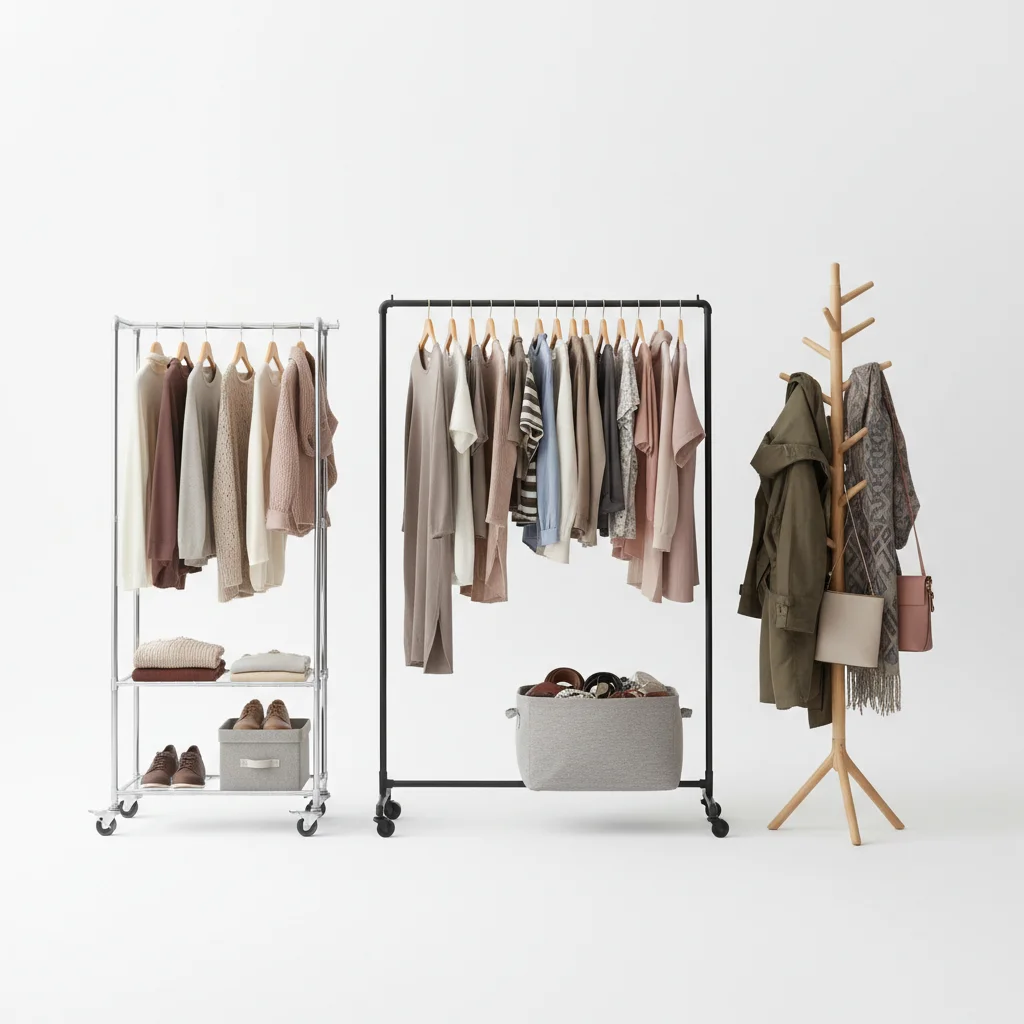
Do you often find your clothes overflowing from your closet, creating a chaotic pile that makes choosing an outfit a daily challenge? If so, a floor hanger for clothes might be the transformative solution you’ve been seeking. These versatile garment racks offer an excellent way to organize your wardrobe, save space, and keep your garments looking their best, whether you live in a compact apartment or simply need supplementary storage. This comprehensive guide will explore the various types, benefits, and considerations for choosing the perfect floor hanger to bring order and style to your home.
Types of Clothes Hangers for Your Floor Rack
While “floor hanger” often refers to the entire freestanding unit, it’s important to understand the different individual hangers you’ll use on these racks. The right hanger material can significantly impact garment care and space efficiency. For best home organization roundups on this site.
- Wooden Hangers: Known for their durability and aesthetic appeal, wooden hangers are excellent for maintaining the shape of structured garments like suits, jackets, and coats. Cedar wood variations offer the added benefit of natural pest repellency and moisture absorption, imparting a fresh scent to your wardrobe. However, they can be bulkier than other types, taking up more space on your floor hanger.
- Metal Hangers: Often crafted from steel or aluminum, metal hangers are exceptionally durable and typically slim, making them a good space-saving option. While they are strong, basic metal hangers might lack non-slip features, causing certain fabrics to slide off.
- Plastic Hangers: These are the most cost-effective and readily available option. Plastic hangers come in various shapes and sizes and are ideal for lightweight clothing. However, they are generally less durable than wood or metal and may not support heavy garments effectively without bending or breaking.
- Velvet (Flocked) Hangers: A favorite for many due to their non-slip surface, velvet hangers prevent delicate fabrics like silk blouses and strappy tops from sliding off. They are also remarkably thin, which can help maximize hanging space on your floor rack. A key consideration is that they can break easily if pulled too hard and may transfer dye or shed fuzz if wet clothes are hung on them.
- Rubberized Hangers: Offering a strong grip similar to velvet without the shedding or dye transfer issues, rubberized hangers are a durable and increasingly popular alternative. They are thin, grip slippery fabrics well, and are often more environmentally friendly as some can be recycled.
Selecting the right individual hangers for your floor rack ensures that your clothes are well-protected and neatly organized.
Floor Hangers: The Flexible Alternative to Closets and Wall Racks
Floor hangers, also known as standing garment racks or clothes racks, offer unique advantages compared to built-in closets or wall-mounted solutions, especially for those seeking versatility and ease of use.
- Portability and Easy Installation: One of the most significant benefits of a floor hanger is its mobility. Unlike wall-mounted racks that require drilling and permanent fixtures, floor racks are incredibly easy to set up and can be moved from room to room, or even rearranged within the same space, without hassle. This makes them ideal for renters, students, or anyone who frequently reconfigures their living area.
- Supplementing Storage: For homes with limited closet space, a floor hanger provides an immediate solution for overflow clothing, seasonal garments, or items that need to air out. They can act as a temporary wardrobe in a guest room or a permanent, stylish display in a bedroom or entryway.
- Open Wardrobe Concept: Embracing an open wardrobe with a floor hanger allows for easier visibility and access to your clothes, potentially streamlining your morning routine and encouraging more conscientious fashion choices. It means you can always see your entire collection, making it easier to plan outfits.
- No Structural Modifications: Because they are freestanding, floor hangers do not require any alterations to your walls or ceilings, preserving your living space and simplifying setup.
- Space Consideration: While floor hangers save “internal” closet space, it’s true they occupy floor space. However, many designs are compact or multi-tiered to optimize vertical storage, making them suitable even for smaller rooms. In contrast, wall-mounted racks free up floor space entirely but lack portability.
“A floor hanger for clothes isn’t just about storage; it’s about dynamic storage. Its ability to move with your needs makes it an indispensable tool for modern living.”
Space-Saving Floor Hanger Designs
Innovation in home organization has led to a variety of floor hanger designs that maximize storage in minimal footprints. These intelligent solutions are perfect for compact living spaces.
- Multi-Tiered Racks: These designs feature multiple hanging rods stacked vertically, allowing you to hang more clothes in the same floor area. Some even include shelves at the bottom for shoes, boxes, or folded items, transforming a simple rack into a comprehensive storage unit.
- Expandable and Adjustable Racks: Many floor hangers offer adjustable heights and widths, allowing you to customize them based on your current storage needs and the length of your garments. This adaptability makes them versatile for various clothing types, from long dresses to shorter shirts.
- Corner Units: Designed to fit snugly into room corners, these racks utilize often-wasted space, providing ample hanging room without protruding into the main thoroughfare of a room.
- Rolling Racks: Equipped with wheels, these floor hangers offer unparalleled mobility. You can easily roll them between rooms, out of the way for cleaning, or even to a different location if your needs change. This feature is particularly useful for laundry rooms or for transporting clothes.
These intelligent designs help you declutter and organize your space efficiently, making every inch count.
Floor Hangers for Specific Garments and Users
Not all clothes are created equal, and a good floor hanger system can cater to diverse wardrobe needs.
- Heavy Coats and Outerwear: For weighty items like winter coats or leather jackets, opt for a floor hanger made from sturdy metal or thick wood with a robust base to prevent tipping. Pair these with wide-shouldered wooden or contoured hangers to prevent sagging and maintain the garment’s shape.
- Delicate Items: Silks, satins, and loosely woven garments benefit from non-slip velvet or rubberized hangers to prevent them from slipping off and ending up on the floor. A floor rack with ample space between garments also allows for better airflow, reducing wrinkles and keeping delicate fabrics fresh.
- Children’s Clothing: Smaller, appropriately sized floor hangers (or adjustable ones set to a lower height) can empower children to choose their outfits and learn organization skills. Look for child-safe materials, rounded edges, and stable bases to prevent accidents. Cute designs can also encourage engagement.
- Drying Clothes: Some floor hangers double as drying racks, offering a convenient spot to air-dry clothes indoors without taking up excessive space. Look for models with rust-resistant finishes for this purpose.
Whether you’re organizing a seasonal wardrobe, preparing outfits for the week, or seeking a temporary home for freshly laundered garments, a well-chosen floor hanger provides a practical and efficient solution.
Choosing the Right Floor Hanger for Your Needs: A Buying Guide
Selecting the ideal floor hanger involves considering several factors to ensure it meets your specific requirements and complements your living space.
- Determine Your Storage Needs: How many garments do you need to hang? Do you require space for long dresses, suits, or mainly shirts and pants? This will influence the size and number of hanging rods you need.
- Consider the Material:
- Metal (Steel, Aluminum): Durable, industrial look, good for heavy items, slim profile.
- Wood: Classic aesthetic, very sturdy, ideal for structured garments, but can be bulkier.
- Plastic: Lightweight, affordable, best for lighter items, less durable for heavy loads.
- Bamboo: Eco-friendly, lightweight, often aesthetically pleasing.
- Assess Available Space: Measure the area where you plan to place the floor hanger. Consider not just the width and depth but also the height, especially if you have long garments. Look for multi-tiered or corner designs for smaller rooms.
- Evaluate Stability and Weight Capacity: A crucial factor, particularly if you plan to hang heavy coats or multiple items. Check reviews for stability and ensure the base is sturdy. A wider base or heavier material often indicates better stability.
- Match Your Aesthetic: Floor hangers come in various styles, from minimalist and modern to industrial or classic wood. Choose one that harmonizes with your existing decor to create a cohesive look.
- Features for Convenience:
- Wheels: For easy mobility.
- Bottom Shelves/Trays: For shoes, bags, or folded items.
- Adjustable Height/Width: For versatility with different garment lengths and quantities.
- Hooks/Side Arms: For accessories like belts, scarves, or hats.
- Set Your Budget: Floor hangers range widely in price based on material, size, and features. Determine what you’re willing to spend, keeping in mind that investing in a durable, well-designed unit can save you money in the long run.
By carefully considering these factors, you can choose a floor hanger that not only organizes your clothes but also enhances the functionality and style of your living space.
Conclusion
Floor hangers for clothes are far more than just temporary storage solutions; they are dynamic, stylish, and highly practical additions to any home. From providing essential overflow space in a cramped closet to serving as a chic open wardrobe, these versatile racks offer unparalleled flexibility. By choosing the right material, design, and accompanying hangers, you can transform cluttered spaces into impeccably organized havens, ensuring your garments remain wrinkle-free and easily accessible. Isn’t it time to elevate your wardrobe organization with a smart floor hanger?
Frequently Asked Questions
What is the difference between a clothes hanger and a clothes rack?
A “clothes hanger” typically refers to the individual item used to hang a single garment, while a “clothes rack” or “floor hanger for clothes” is the larger freestanding structure designed to hold multiple individual clothes hangers and garments. The rack provides the framework, and individual hangers hold the clothes.
Can a floor hanger replace a closet in a small apartment?
While a floor hanger can’t fully replace the extensive storage of a built-in closet, it can serve as an excellent primary wardrobe solution in very small apartments or as an additional storage system. Its open design helps maximize perceived space and keeps clothes visible and accessible.
Are floor hangers stable enough for heavy winter coats?
Yes, many floor hangers are designed with robust materials like metal or solid wood and have stable bases to support heavy winter coats and jackets. When selecting, look for models specifically advertised as “heavy-duty” or with a high weight capacity to ensure stability.
How do I prevent clothes from slipping off hangers on a floor rack?
To prevent clothes from slipping, use individual hangers made from non-slip materials like velvet (flocked) or rubberized plastic. Hangers with notches or shoulder grips are also effective for keeping strappy tops or wide-neck garments in place on your floor rack.
How do I clean and maintain a floor clothes hanger?
Regularly wipe down your floor clothes hanger with a damp cloth to remove dust and dirt, especially if it’s an open rack. For metal racks, ensure they are dry to prevent rust. Wooden racks may benefit from occasional polishing or conditioning to maintain their finish.
Get our weekly buyer guide
Practical specs, not advice. Unsubscribe anytime.
