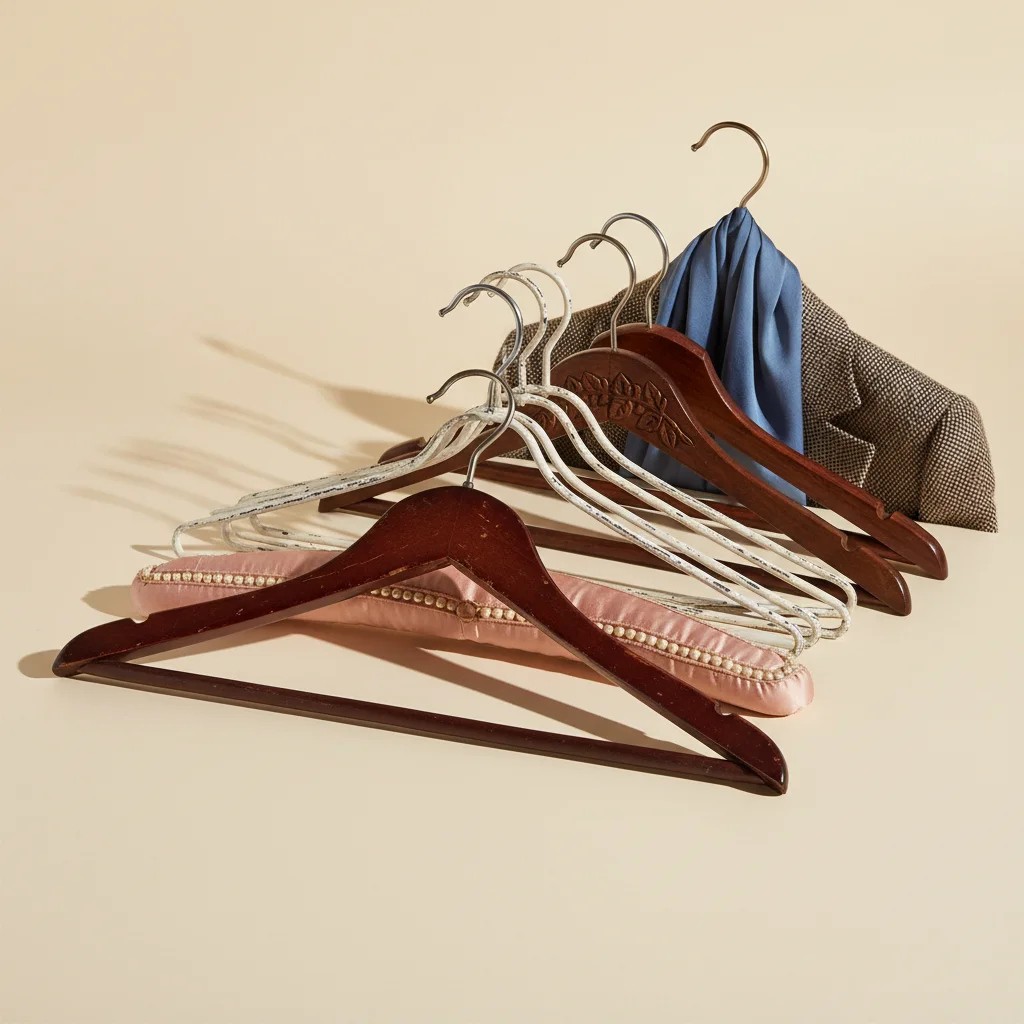
Are you tired of flimsy plastic hangers that warp your favorite garments and clutter your closet with their mundane appearance? Many modern clothing storage solutions prioritize cost over craftsmanship, often leading to damaged clothes and a less-than-inspiring wardrobe space. If you’re seeking a blend of enduring style, superior function, and environmental consciousness, it’s time to discover the charm of vintage clothes hangers. These pieces aren’t just functional tools; they are fragments of fashion history, each telling a unique story while providing exceptional care for your clothing.
Popular Types of Vintage Clothes Hangers
Vintage clothes hangers come in a delightful array of materials and designs, each suited for different garments and aesthetics. Understanding these variations helps you choose the perfect hanger to complement your wardrobe.
- Wooden Hangers: Arguably the most sought-after vintage type, wooden hangers offer unparalleled sturdiness and a classic aesthetic. Often crafted from hardwoods like maple, cedar, or oak, they can feature a range of finishes, from polished natural wood to dark lacquered styles. Wide-shouldered wooden hangers are ideal for jackets, suits, and coats, providing robust support that helps maintain the garment’s original shape and prevents unsightly shoulder bumps. More delicate wooden hangers, sometimes with notches, are suitable for dresses and blouses.
- Padded or Satin-Covered Hangers: Designed for the most delicate items such as lingerie, silk blouses, or intricate evening wear, these hangers feature a soft padding, often covered in satin, silk, or crocheted fabric. This soft exterior prevents snags, stretches, and creases, making them essential for preserving fragile garments. Many vintage padded hangers boast decorative bows or vibrant patterns, adding a touch of old-world elegance to your closet.
- Metal Hangers: While modern wire hangers are often flimsy, vintage metal hangers can be surprisingly robust and stylish. Early designs, some dating back to O.A. North’s 1869 patent and Albert J. Parkhouse’s 1903 innovation, were often reinforced with wood to accommodate heavier clothing. You might find vintage brass hangers with ornate details or practical folding metal hangers designed for travel, a clever space-saving solution from a bygone era.
- Plastic (Nursery/Novelty) Hangers: Though less common than wood or padded varieties, vintage plastic hangers, especially those from the mid-20th century, often boast unique, playful designs. Many were made in smaller sizes for children’s clothing, featuring cute animal shapes or bright colors. Some novelty plastic hangers were also produced for advertising or specific garment types, offering a quirky retro flair.
Materials Overview:
Vintage hangers were crafted from a diverse range of materials, including:
- Wood (maple, cedar, mahogany, pine)
- Metal (wire, brass, twisted steel)
- Plastic (often sturdy, sometimes clear or colorful)
- Fabrics (satin, silk, cotton, velvet, crocheted yarn)
- Padded (often cotton-filled)
Detailed Comparison of Popular Vintage Hanger Materials
When selecting vintage hangers, the material significantly impacts their performance and aesthetic. Here’s a comparative look:
| Feature | Wood Hangers | Padded/Satin Hangers | Metal Hangers (Vintage) | Plastic Hangers (Vintage) |
|---|---|---|---|---|
| Durability | Excellent; long-lasting and resistant to warping. | Moderate; padding can flatten over time, fabric may fray. | Good; sturdy metal, though older wire may bend. | Varies; early plastics can be brittle, but many are tough. |
| Garment Care | Best for suits, coats, shirts; maintains shape, prevents wrinkles. | Best for delicate fabrics, lingerie; prevents snags/creases. | Good for heavy items if reinforced; can leave marks if bare wire. | Acceptable for lighter garments; may not support heavy items well. |
| Aesthetic | Classic, elegant, sophisticated; adds warmth to a closet. | Luxurious, soft, charming; evokes vintage boudoir style. | Industrial chic, minimalist; can be decorative (brass). | Playful, retro, nostalgic; often colorful or novelty designs. |
| Cost (Vintage) | Generally higher due to quality and demand. | Mid-range to high, depending on condition and fabric. | Low to mid-range, with some specialty pieces being higher. | Generally lower, except for rare novelty items. |
| Special Features | Wide shoulders, pant bars, non-slip coatings. | No-slip surface, gentle on straps, decorative. | Often thin for space, some with clips or folding designs. | Often smaller for children, unique shapes. |
Smart Vintage Hangers: Space-Saving Solutions from the Past
Innovation isn’t exclusive to modern design. Vintage clothing hangers also offered clever solutions for maximizing closet space and organizing specific garments.
- Multi-Tier Hangers: Early versions of space-saving hangers featured multiple bars or hooks, allowing you to hang several skirts, pairs of trousers, or even entire outfits on a single hanger. These were precursors to today’s multi-garment organizers and were often made from sturdy wood or metal.
- Folding Travel Hangers: Compact and ingenious, these metal or sometimes plastic hangers could fold down, making them perfect for travelers to keep clothes neat in suitcases without taking up much space.
- Specialty Clips and Bars: Many vintage hangers incorporated specific clips for skirts and trousers, ensuring they hung straight and wrinkle-free. Some wooden suit hangers featured a rounded bar to hang matching trousers, demonstrating an early understanding of integrated garment care.
These intelligent designs highlight the enduring focus on efficient wardrobe management, proving that classic solutions often stand the test of time.
Vintage Hangers for Children: Safe and Charming Choices
Long before mass-produced plastic hangers dominated the market, children’s clothes were often hung on specialized vintage hangers. These pieces often prioritized safety, appropriate sizing, and aesthetic appeal.
- Safe Materials: Early children’s hangers were typically made from smoothed wood or gently padded fabric, avoiding sharp edges or harsh chemicals. This ensured garments were protected and little hands were safe.
- Smaller Dimensions: Perfectly scaled for tiny garments, these hangers prevented stretching and maintained the shape of miniature dresses, shirts, and coats.
- Whimsical Designs: Many vintage children’s hangers featured adorable painted motifs, animal cut-outs, or colorful padded fabrics, adding a playful and charming touch to a child’s wardrobe. Collecting these can be a delightful way to decorate a nursery or a child’s closet with a touch of nostalgia.
Your Essential Guide to Choosing the Right Vintage Clothes Hanger
Selecting the perfect vintage clothes hanger requires a thoughtful approach, balancing historical charm with practical needs.
Key Factors to Consider:
- Garment Type:
- Suits & Jackets: Opt for wide-shouldered wooden hangers to preserve the garment’s structure.
- Delicate Fabrics (Silk, Lingerie): Padded or satin-covered hangers are a must to prevent snags and creases.
- Dresses & Blouses: Notched wooden hangers or those with wide, smooth shoulders work well.
- Pants & Skirts: Look for wooden or metal hangers with clips or a sturdy pant bar to avoid wrinkles.
- Hanger Material: Choose based on durability, garment protection, and aesthetic preference. Wooden hangers offer longevity and classic appeal, while padded hangers provide gentle care for fragile items.
- Hanger Size: Ensure the hanger matches the width of your garments to prevent stretching or slippage. Children’s clothes require smaller hangers.
- Closet Space: If space is limited, consider vintage folding hangers or multi-tier designs.
- Budget: Vintage hangers can range from affordable to collector’s items. Set a budget and hunt for the best value.
- Authenticity and Condition: Always inspect vintage hangers for signs of wear, damage, or repairs. For authenticity, look for original brand tags, unique design characteristics of the era, and quality craftsmanship. A hanger is generally considered vintage if it’s over 20 years old but less than 100 years old.
Expert Advice:
> “Investing in quality vintage hangers is worthwhile not just because they elevate your clothing presentation but also because they embody sustainability by repurposing beautiful objects rather than contributing further waste.”
Top Vintage Hanger Finds for Discerning Collectors
While specific product recommendations are outside the scope of this general guide, certain categories of vintage hangers consistently capture the imagination of collectors and discerning homeowners:
- Hotel and Department Store Hangers: Hangers branded with the logos of historic hotels (like the Waldorf Astoria or The Plaza) or luxury department stores (such as Neiman Marcus or Saks Fifth Avenue) are highly collectible. These often signify high quality and a piece of institutional history.
- Mid-Century Modern Metal Hangers: Sleek and functional, metal hangers from the 1950s and 60s often feature unique geometric shapes or a minimalist design, perfect for a retro-inspired wardrobe.
- Hand-Crocheted or Embroidered Padded Hangers: These beautiful, often handmade pieces showcase intricate craftsmanship and add a truly unique, artisanal touch to any closet.
- Advertising Hangers: Wooden hangers featuring etched or stamped advertisements for old dry cleaners, tailors, or clothing brands offer a fascinating glimpse into commercial history.
These sought-after types combine historical significance with enduring aesthetic appeal, making them prized possessions for any collector or style enthusiast.
Conclusion
Vintage clothes hangers offer a compelling alternative to their modern counterparts, blending timeless style, superior garment care, and a sustainable approach to home organization. From the robust elegance of wide-shouldered wooden hangers to the gentle embrace of satin-padded designs, each piece carries a unique history and an undeniable charm. By choosing vintage, you not only elevate your wardrobe’s aesthetic but also make a conscious decision to value quality and reduce waste. So, why settle for the ordinary when you can infuse your closet with the character and durability of a bygone era?
What stories will your vintage clothes hangers tell?
Frequently Asked Questions
What makes a clothes hanger “vintage”?
A clothes hanger is generally considered vintage if it is over 20 years old but less than 100 years old, and exhibits distinctive characteristics typical of its era, such as specific materials, craftsmanship, or design elements.
Are wooden clothes hangers better than plastic?
Yes, vintage wooden clothes hangers are often considered superior to plastic due to their durability, ability to maintain garment shape, and aesthetic appeal. They provide better support for heavier clothing and are a more sustainable choice.
How can I tell if a vintage hanger is authentic?
Look for original brand tags (especially from old hotels or department stores), examine the material and craftsmanship for quality consistent with older manufacturing, and observe any unique design features that were prevalent in a particular historical period.
Where can I buy vintage clothes hangers?
Vintage clothes hangers can be found in various places, including online marketplaces like eBay and Etsy, antique shops, estate sales, flea markets, and specialty vintage home goods stores.
Do vintage clothes hangers help save space?
Some vintage hangers, like multi-tier designs or folding travel hangers, were specifically designed with space-saving in mind. While individual wide-shouldered wooden hangers might take up more room, their organizational benefits and garment preservation can optimize overall closet efficiency.
Get our weekly buyer guide
Practical specs, not advice. Unsubscribe anytime.
