Do you ever feel like your closet is bursting at the seams, or perhaps you lack adequate hanging space altogether? Cluttered wardrobes can make daily dressing a chore and leave your favorite garments wrinkled and unloved. Imagine a solution that not only offers ample storage but also adds a touch of modern elegance to your living space. Enter the freestanding clothes hanger – a versatile and stylish answer to your organizational woes.
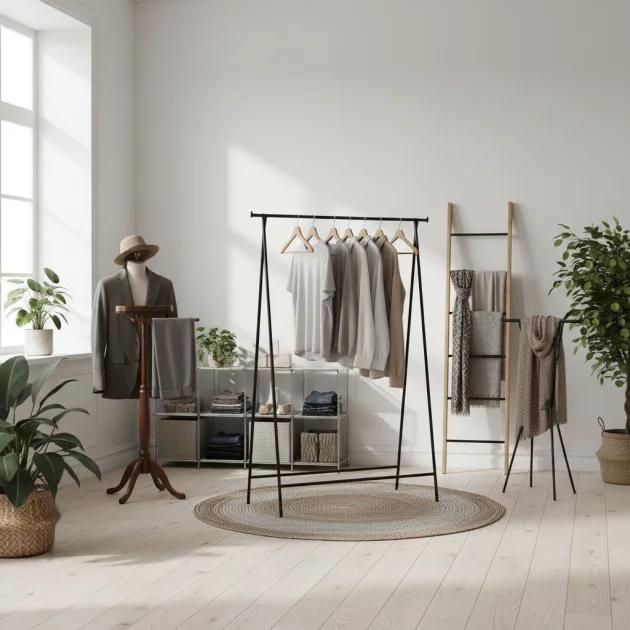
These innovative storage solutions go beyond basic closet rods, providing flexible options for keeping your clothes neat, accessible, and well-preserved. Whether you’re dealing with a tiny apartment, a overflowing wardrobe, or simply need a temporary spot for seasonal wear, a freestanding clothes hanger can be a game-changer. This comprehensive guide will explore the various types, features, and benefits, helping you choose the perfect model to transform your home.
Types of Freestanding Clothes Hangers: Finding Your Perfect Match
Freestanding clothes hangers, often known as garment racks or clothing racks, come in a myriad of designs, each catering to different needs and aesthetic preferences. Understanding the distinctions will help you select the ideal organizer for your space.
Single-Rod vs. Double-Rod Hangers
- Single-Rod Hangers: These minimalist designs offer a simple hanging solution for a limited number of items. They are perfect for displaying a few key pieces, organizing outfits for the week, or serving as a temporary spot for guests’ coats. Their slender profile makes them suitable for tighter spaces where bulk is a concern.
- Double-Rod Hangers: For those needing to maximize hanging capacity, double-rod models are an excellent choice. By providing two parallel rods, they effectively double your hanging space, making them ideal for larger collections, shared rooms, or seasonal wardrobe rotations.
Hangers with Shelves and Integrated Storage
Many freestanding clothes hangers incorporate additional storage features, transforming them into comprehensive organizational units. Models with integrated shelves offer space for folded garments, shoes, bags, or storage boxes. Some even include hooks on the sides for hanging hats, scarves, or accessories, ensuring everything has its designated place. This multi-functional design helps to consolidate various items, creating a more streamlined and tidy appearance.
Tree Coat Racks
A classic and often decorative option, tree coat racks feature a central pole with multiple hooks extending outwards. They are a popular choice for entryways and hallways, providing an immediate spot for coats, jackets, hats, and umbrellas. Their vertical design minimizes their footprint, making them suitable for areas where floor space is at a premium.
Portable and Collapsible Designs
If flexibility and mobility are priorities, consider freestanding hangers equipped with wheels or collapsible frames. Portable racks can be easily moved from one room to another, ideal for laundry day, reorganizing your space, or even for commercial use like pop-up shops. Collapsible designs fold down for compact storage when not in use, a boon for temporary needs or small living quarters.
Materials Matter: Wood, Metal, Bamboo, Plastic
The material of your freestanding hanger significantly impacts its durability, aesthetic, and suitability for different garment weights.
- Metal (Steel, Chrome): Renowned for strength and longevity, metal racks are perfect for heavy-duty use, supporting substantial weight from winter coats to loaded garment bags. They often offer an industrial or sleek modern aesthetic.
- Wood (Oak, Pine, Birch): Wooden racks provide an elegant, classic touch. Oak is known for its sturdiness and rich appearance, ideal for premium racks and heavy garments. Pine is more cost-effective and lighter, while birch offers a balanced strength with a lighter tone, complementing contemporary interiors.
- Bamboo: An eco-friendly and stylish option, bamboo racks offer a natural, light aesthetic. While durable for everyday use, they are generally better suited for lighter collections compared to heavy metal racks.
- Plastic: Affordable and lightweight, plastic hangers are often chosen for temporary setups or light-duty use. While convenient, they are less durable than metal or wood and may not withstand heavy loads over time.
Detailed Comparison: Freestanding Clothes Hanger Features
Choosing the right freestanding clothes hanger involves weighing various features against your specific needs. Here’s a detailed comparison to guide your decision:
| Feature | Metal Hangers | Wood Hangers | Bamboo Hangers | Plastic Hangers |
|---|---|---|---|---|
| Durability | High (excellent for heavy items) | Medium to High (depends on wood type, sturdy) | Medium (good for light to medium collections) | Low (prone to cracking/breaking with heavy loads) |
| Price Range | Medium to High | Medium to High | Medium | Low |
| Aesthetics | Modern, industrial, sleek | Classic, elegant, warm, natural | Natural, minimalist, earthy | Basic, functional, sometimes less appealing |
| Stability | High (especially with wider bases, can support heavy loads) | High (solid construction offers good stability) | Medium (can be less stable with heavy garments) | Low (can tip easily if overloaded or poorly designed) |
| Portability | Medium (can be heavy, some have wheels) | Low (generally heavy and not designed for frequent movement) | High (often lightweight, some with wheels) | High (very lightweight, easy to move) |
| Space-saving potential | Medium (can be bulky, but some are slender) | Low (tend to be bulkier) | Medium (can be compact, multi-tiered options available) | High (slender profiles, many compact designs) |
Metal frames, particularly those made from stainless steel or chrome-plated steel, are your best bet for heavy-duty requirements and long-term durability. “Metal garment racks are renowned for their strength and longevity, perfect for heavy-duty use and supporting a significant amount of weight, like an extensive collection of winter coats.” [cite: 4-4] While they might be heavier, many models come with wheels for easier repositioning. Wooden racks, especially those crafted from oak, provide robust support and a timeless aesthetic, making them a furniture piece in their own right. However, their bulk can consume more space. Bamboo and plastic options offer greater portability and affordability, though they may sacrifice some stability and load-bearing capacity.
Smart Freestanding Hanger Solutions for Modern Living
Freestanding clothes hangers are not just practical storage units; they are evolving into smart solutions that integrate seamlessly with modern lifestyles and diverse spaces.
Space-Saving Innovations
In an era where living spaces are often compact, designers are creating freestanding hangers with ingenious space-saving features. Adjustable height and width options allow you to customize the rack to fit various garment lengths, from long dresses to short shirts, and to adapt to different room layouts. Multi-tier designs maximize vertical space, while modular systems let you configure shelving and hanging areas according to your precise needs. These innovations are particularly beneficial for small apartments, dorm rooms, or shared bedrooms where every inch counts.
Beyond the Bedroom
The versatility of freestanding hangers extends far beyond the bedroom.
- Entryways: A stylish freestanding rack or tree coat hanger in your entryway provides a welcoming spot for guests’ coats, hats, and bags, keeping clutter away from seating areas.
- Laundry Rooms: For items that can’t go in the dryer, a freestanding rack offers a convenient solution for air-drying clothes, preventing wrinkles and preserving fabric quality.
- Guest Rooms: When you have visitors, a freestanding hanger can serve as an instant wardrobe, offering them a dedicated place to hang their belongings without invading your personal closet space.
- Fashion Displays: Many fashion enthusiasts use these racks to display curated outfits, creating a boutique-like feel in their homes or showcasing their daily wear. “Freestanding wardrobes serve double duty as both a storage solution and a home decor accent.” [cite: 5-5]
Freestanding Hangers for Kids: Safe and Practical Choices
When selecting freestanding hangers for children’s rooms, safety and practicality are paramount. Look for models made from non-toxic materials, such as BPA-free plastic or natural wood, to ensure a healthy environment for your little ones.
- Child-Safe Materials: Non-toxic plastic or natural wood are excellent choices.
- Appropriate Sizes: Children’s hangers are typically smaller in scale, fitting kid-sized clothes without stretching them out.
- Sturdy Design: A stable base is crucial to prevent tipping, especially in playful environments. Some racks can even be secured to the wall for added safety.
- Engaging Designs: Bright colors or whimsical shapes can make organizing fun for children, encouraging them to keep their own spaces tidy.
Your Ultimate Buying Guide: Choosing the Right Freestanding Clothes Hanger
Selecting the perfect freestanding clothes hanger requires careful consideration of your specific circumstances and preferences.
Assess Your Needs
Begin by evaluating what you need to store and where the hanger will go.
- Type of Clothes: Are you hanging heavy winter coats, delicate blouses, or a mix of both? This dictates the required weight capacity and hanger type.
- Quantity: How many garments do you need to hang? This will inform whether a single-rod, double-rod, or multi-shelf unit is best.
- Available Space: Measure the area where you plan to place the rack. Consider both width and depth, especially if it will be in a high-traffic zone.
- Budget: Freestanding hangers vary widely in price, so setting a budget beforehand can help narrow down your options.
Key Considerations
Once you’ve assessed your needs, focus on these critical factors:
- Weight Capacity: This is arguably the most important factor, particularly if you intend to hang heavy coats or a large volume of clothing. A robust metal frame or solid wood construction will offer superior weight-bearing capabilities. Always check the product specifications for the maximum weight limit.
- Stability: A wide, sturdy base is essential to prevent the hanger from wobbling or tipping over, especially when fully loaded. For households with young children, prioritizing models that can be secured to a wall or have exceptionally stable designs is highly recommended.
- Assembly Ease: While most freestanding hangers are designed for straightforward assembly, some models can be more complex than others. Look for options that come with clear instructions and minimal parts if you prefer a quick setup.
- Additional Features:
- Wheels: If you need to move the rack frequently, smooth-gliding, lockable wheels are invaluable.
- Shelves: Integrated shelves provide extra storage for shoes, folded clothes, or accessories.
- Hooks: Side hooks are great for bags, belts, or hats.
- Adjustability: Adjustable height or width offers flexibility for various garment lengths and space configurations.
- Aesthetics: The freestanding hanger should complement your existing decor. Choose a material and style that enhances the room rather than detracting from it. Options range from minimalist metal designs to warm wooden aesthetics.
Top Freestanding Clothes Hangers on the Market
Based on expert testing and user reviews, here are some highly-regarded freestanding clothes hangers that consistently deliver on quality, functionality, and design:
- Brabantia Linn Large Clothes Rack: Often lauded as an overall best choice, this rack combines a stylish design with generous space, available in various sizes and colors. It’s known for its longevity and elegant appearance. [cite: 1-5, 1-1]
- Simple Houseware Standard Rod Garment Rack: If value is your priority, this model offers impressive capacity and an adjustable rod at an affordable price point, making it a popular pick for budget-conscious buyers. [cite: 1-5, 1-1]
- Yamazaki Home Freestanding Steel & Wood Hanger: Perfect for smaller spaces, this compact yet durable option blends steel and wood for a modern aesthetic, fitting neatly into entryways or tight corners. [cite: 1-5, 1-1]
- IRIS USA Portable Double-Rod Height Adjustable Clothes Rack: This rack stands out for its portability, featuring two adjustable rods and wheels for easy movement and enhanced storage versatility. [cite: 1-5, 1-1]
These examples demonstrate the range of excellent freestanding clothes hangers available, each catering to slightly different needs while providing reliable performance.
Conclusion
Freestanding clothes hangers are much more than simple racks; they are dynamic storage solutions that can revolutionize your approach to wardrobe organization. From maximizing space in compact living areas to providing a stylish accent in a large room, their versatility is unmatched. By carefully considering the different types, materials, and features available, you can select a hanger that not only meets your practical needs but also enhances the aesthetic appeal of your home.
No longer will you have to wrestle with overflowing closets or hunt for a specific garment. With the right freestanding clothes hanger, you can enjoy a beautifully organized wardrobe and the peace of mind that comes with a clutter-free environment. Ready to transform your daily routine and reclaim your space?
What unique ways have you found to integrate freestanding clothes hangers into your home decor?
Frequently Asked Questions
Are freestanding clothes hangers stable?
The stability of freestanding clothes hangers varies significantly by design and material. High-quality models with wide bases, sturdy metal frames, or solid wood construction are generally very stable. However, lightweight or poorly constructed racks can tip if overloaded, so always check the weight capacity and consider models that can be anchored for maximum safety.
Can freestanding clothes hangers hold heavy coats?
Yes, many freestanding clothes hangers are specifically designed to hold heavy coats. Look for models made from heavy-duty metal (like steel or chrome) or solid wood, and always check the product’s specified weight capacity. Double-rod designs and those with reinforced bases are particularly well-suited for heavier garments.
How much space does a freestanding clothes hanger take up?
The space a freestanding clothes hanger occupies depends on its design and dimensions. Minimalist single-rod models or tree coat racks have a small footprint, ideal for tight spaces. Larger units with multiple rods, shelves, or wider bases will naturally take up more floor area. Always measure your available space before purchasing to ensure a proper fit.
Are freestanding clothes hangers easy to assemble?
Most freestanding clothes hangers are designed for relatively easy assembly, often requiring minimal tools or featuring snap-together components. However, complexity can vary. Many user reviews highlight models that can be assembled in minutes, while others may require more time and effort. It’s advisable to check product descriptions for assembly details.
What’s the difference between a freestanding clothes hanger and a garment rack?
The terms “freestanding clothes hanger” and “garment rack” are often used interchangeably to describe the same type of product: a portable, non-built-in unit designed for hanging clothes. “Garment rack” is perhaps a more common industry term, while “freestanding clothes hanger” emphasizes its ability to stand independently without wall attachment.
Get our weekly buyer guide
Practical specs, not advice. Unsubscribe anytime.
