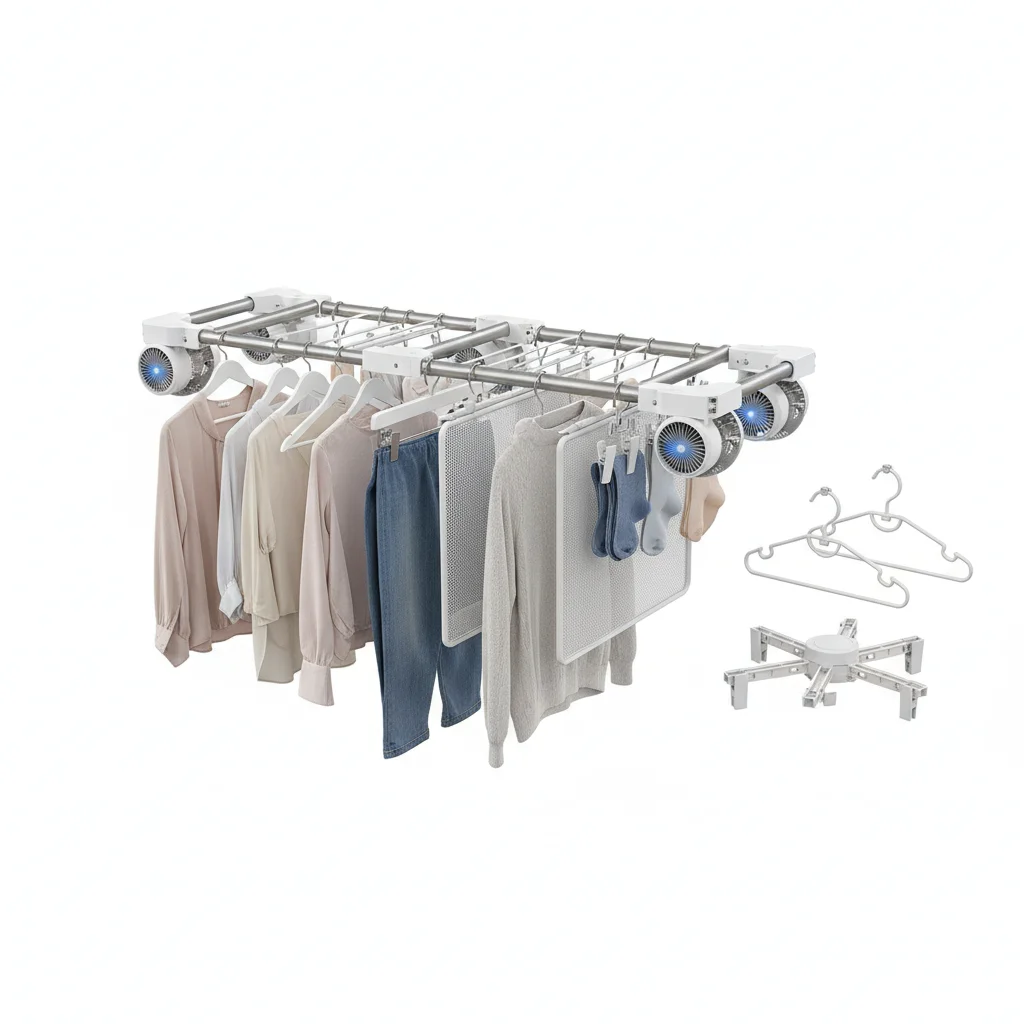
Tired of overflowing laundry baskets and the environmental impact of your tumble dryer? Discover the clothes hanger rack dryer – an indispensable tool for modern households seeking efficiency, garment care, and space-saving solutions. From delicate blouses to heavy sweaters, these innovative racks offer a greener, gentler way to dry your garments, transforming your laundry routine and preserving your wardrobe. This comprehensive guide will explore the diverse types, unparalleled benefits, and crucial factors to consider when selecting the perfect drying rack for your home.
Types of Clothes Drying Racks: A Comprehensive Guide
The world of clothes drying racks is vast, offering a solution for every need and space. Understanding the different designs will help you find the perfect match for your laundry requirements.
Freestanding Drying Racks
Freestanding racks are among the most popular and versatile options, offering portability and ample drying space.
- Gullwing Racks: These feature two foldable “wings” on either side, providing extensive linear drying space. They are excellent for larger loads and can accommodate items like bedding or towels. Many come with additional features like clips for small items or flat mesh sections for delicates. They often fold down compactly for storage.
- Tiered Racks: Designed to maximize vertical space, tiered racks have multiple levels of drying bars. They are ideal for smaller garments, maximizing capacity in a compact footprint. Some models offer adjustable tiers for varying garment lengths.
- Accordion/Dowel-Style Racks: A classic design, these racks typically feature horizontal wooden or metal dowels that expand out for use and collapse flat for easy storage. They are lightweight and convenient for everyday use.
- A-Frame Racks: Characterized by their triangular, stable structure, A-frame racks provide good airflow and often have multiple bars for draping clothes. They are sturdy and suitable for a variety of garments.
Wall-Mounted & Ceiling-Mounted Racks
When floor space is a luxury, wall-mounted and ceiling-mounted drying racks provide permanent, out-of-the-way drying solutions.
- Wall-Mounted Racks: These attach directly to a wall and can range from simple fold-out bars to expandable, retractable systems. They are perfect for laundry rooms, bathrooms, or even outdoor walls, disappearing when not in use.
- Ceiling-Mounted Racks: Utilizing overhead space, these racks can be manually or electrically lowered for loading and then raised to keep laundry out of the way while drying. Some advanced models include heating elements to accelerate drying, making them incredibly efficient, especially in cooler climates.
Over-the-Door & Hanging Racks
For quick drying of smaller items or for those with minimal space, these racks offer convenient, temporary solutions.
- Over-the-Door Racks: These simply hook over any standard door, providing several bars for hanging items. They are fantastic for apartment living, dorm rooms, or drying a few delicate items without cluttering floors.
- Clip-Style Hangers: Often featuring multiple clips on a compact frame, these are perfect for socks, underwear, or other small accessories. Many are designed to hang from a shower rod or a larger drying rack.
- Mesh Drying Racks: Specifically designed for garments that cannot be hung (like sweaters) to prevent stretching or warping, these racks provide a flat, breathable surface for delicate items to air dry in their natural shape. They can be freestanding, stackable, or even foldable hanging designs.
Smart & Specialized Drying Solutions
Innovation continues to enhance the air-drying experience.
- Heated Clothes Airers: These racks incorporate gentle heating elements in their bars, significantly speeding up drying time for indoor use without the harshness of a tumble dryer. They are a popular choice for faster drying in humid or cold conditions.
- Portable Electric Hangers: A compact, travel-friendly option, these devices often combine a hanger with a small fan or heating element to dry a single garment quickly. They are multi-purpose, often able to dry shoes and eliminate odors.
Why Choose a Clothes Drying Rack? Unveiling the Benefits
Embracing a clothes hanger rack dryer offers a multitude of advantages that extend beyond simply drying your clothes.
Energy Efficiency & Environmental Impact
In an era where sustainability is paramount, air drying is a powerful choice. Tumble dryers are notoriously energy-intensive appliances, significantly contributing to household electricity consumption and carbon emissions. By utilizing a clothes drying rack, even for just a portion of your laundry, you drastically reduce energy use, lower your utility bills, and decrease your carbon footprint. It’s a simple, impactful step toward a greener lifestyle.
Preserving Garment Life & Quality
High heat and tumbling action in conventional dryers can be harsh on fabrics, leading to shrinking, fading, pilling, and stretching. Air drying, in contrast, is gentle, preserving the integrity, color, and shape of your garments. Delicate items like silk, wool, and activewear maintain their quality longer, extending the lifespan of your wardrobe and protecting your investment.
Space-Saving Solutions for Every Home
Whether you live in a small apartment or a spacious house, managing laundry can be a challenge. Clothes drying racks come in a myriad of space-saving designs. Collapsible freestanding racks fold away neatly when not in use, while wall-mounted and ceiling-mounted options free up valuable floor space. Even compact models like over-the-door or hanging clip racks make efficient use of limited areas, ensuring your home remains clutter-free.
Reduced Wrinkles & Less Ironing
Strategically hanging clothes on a drying rack can significantly reduce wrinkles. Shirts and pants hung properly often dry nearly wrinkle-free, minimizing or even eliminating the need for ironing. This not only saves time but also reduces further energy consumption.
Versatility & Convenience
A clothes drying rack offers unmatched versatility. You can dry almost any item, from everyday wear to specialty garments, shoes, and even delicate sweaters that need to lie flat. They provide a convenient indoor drying solution during bad weather, allowing you to bypass the outdoor elements. Furthermore, they operate silently, creating a peaceful laundry experience.
Choosing the Perfect Clothes Drying Rack: A Buying Guide
Selecting the ideal clothes hanger rack dryer involves considering your specific needs, lifestyle, and living space.
Assess Your Space
Consider where you’ll primarily use the rack.
- Small Apartments/Limited Floor Space: Opt for wall-mounted, over-the-door, or highly collapsible freestanding models. Ceiling-mounted racks are an excellent investment if you have overhead space.
- Laundry Rooms: Permanent wall or ceiling installations can be a great option, as can heavy-duty freestanding racks that can be stored away in a dedicated area.
- Outdoor Use: Look for weather-resistant materials like stainless steel or treated wood, and consider rotary dryers or robust portable racks for balconies or patios.
Consider Your Laundry Habits
Your typical laundry load size and the types of garments you dry are crucial factors.
- Large Families/Heavy Loads: A large gullwing or multi-tiered rack, or an outdoor rotary dryer, will offer the necessary capacity.
- Delicates/Sweaters: Prioritize racks with flat mesh drying surfaces to prevent stretching. Clip-style hangers are great for small delicates.
- Shoes/Special Items: Some racks come with dedicated shoe holders or versatile designs to accommodate various items.
Material Matters
The material of your drying rack impacts its durability, weight capacity, and suitability for different environments.
- Metal (Stainless Steel, Aluminum, Coated Steel): Highly durable, often rust-resistant (especially stainless steel), and can support heavy wet clothes. Ideal for both indoor and outdoor use.
- Wood (Bamboo, Hardwood): Aesthetically pleasing and sturdy, especially bamboo, which is naturally moisture-resistant. May require more care than metal to prevent warping or mold.
- Plastic: Lightweight and budget-friendly, suitable for light loads and indoor use. Ensure it’s robust enough not to sag or break under weight.
Features & Functionality
Look for features that enhance usability and efficiency.
- Collapsible/Foldable Design: Essential for easy storage and space-saving.
- Adjustable Components: Wings or tiers that can be adjusted for different garment lengths or to optimize drying space.
- Clips & Hanger Slots: Useful for small items or for hanging shirts directly to minimize wrinkles.
- Mesh Surfaces: Crucial for flat-drying delicate garments.
- Heating Elements: If you need faster indoor drying, a heated airer can be a game-changer.
- Mobility: Wheels on freestanding racks can make moving heavy loads easier.
Budget Considerations
Drying racks are available at various price points. Determine your budget, keeping in mind that a higher initial investment in a durable, feature-rich rack can lead to greater long-term savings and satisfaction.
Top Clothes Drying Racks: Innovations for Modern Homes
The market offers an array of highly-rated clothes drying racks designed to meet diverse needs. For maximum capacity and versatility, heavy-duty gullwing drying racks are often favored, providing extensive linear feet for large loads and even integrated mesh shelves for flat-drying sweaters. Those with limited space frequently praise collapsible multi-tiered racks or wall-mounted retractable options that discreetly fold away when not in use. For quick indoor drying, especially during damp weather, heated electric airers with covers are gaining popularity, offering an energy-efficient alternative to tumble dryers. Innovative solutions like ceiling-mounted racks provide an elegant, space-saving approach, keeping laundry elevated and out of sight. Meanwhile, portable electric hangers offer a compact solution for travelers or for quickly drying individual garments. The best choices often combine sturdy materials like aluminum or stainless steel with thoughtful designs that emphasize ease of use, durability, and adaptability to various garment types and home environments.
Conclusion
Embracing a clothes hanger rack dryer is more than just an alternative to your electric dryer; it’s an intelligent upgrade to your laundry routine. By choosing the right rack, you unlock significant energy savings, extend the life and quality of your cherished garments, and reclaim valuable space in your home. With a diverse range of types, materials, and features available, there’s a perfect drying solution waiting to transform your laundry experience. Make the switch today and discover the quiet efficiency, gentle care, and undeniable convenience of air drying.
Ready to simplify your laundry and elevate your garment care?
Frequently Asked Questions
What are the main benefits of using a clothes drying rack over a tumble dryer?
Using a clothes drying rack offers numerous benefits, including significant energy savings and lower utility bills. It’s much gentler on fabrics, which helps prevent shrinking, fading, and wear and tear, thereby extending the lifespan of your clothes. Drying racks also serve as excellent space-saving solutions, especially for smaller homes, and reduce wrinkles, potentially minimizing the need for ironing.
Can clothes drying racks be used in small apartments?
Absolutely! Many clothes drying racks are specifically designed for small spaces. Options like wall-mounted, over-the-door, or highly collapsible freestanding racks can be easily set up when needed and then stored away compactly. Multi-tiered and ceiling-mounted designs maximize vertical space without cluttering your floor.
Are heated clothes drying racks energy efficient?
Heated clothes drying racks are generally more energy-efficient than traditional tumble dryers. While they use electricity, they consume significantly less power and provide a gentle, accelerated drying process indoors, which can be particularly useful in humid conditions or during colder months. They are a good compromise when natural air drying is not feasible or time is of the essence.
Get our weekly buyer guide
Practical specs, not advice. Unsubscribe anytime.
